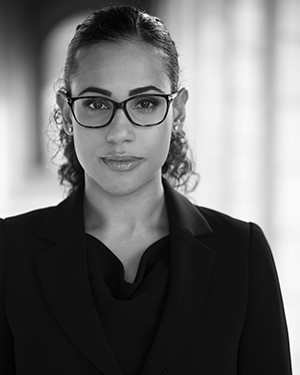
My own involvement with the Bar Council began in 2015, when I joined the Education and Training Committee. At the time, I was already spending a great deal of time supporting students and aspiring barristers through mentoring, outreach and advocacy initiatives. Joining the committee felt like a natural extension of that work, offering an opportunity to contribute to the conversations and decisions that shape the profession. What has kept me involved ever since is the chance to work alongside colleagues from across the Bar who are equally committed to ensuring that education and training continue to evolve to meet the needs of future barristers.
The committee considers a broad range of issues, from access to work experience to pupillage recruitment processes and training standards. Much of our work involves listening, whether to students, pupils, practitioners or chambers, and ensuring that policy discussions properly reflect the realities of people’s experiences across the profession.
One particularly significant aspect of work is the annual Pupillage Gateway Reports. The reports have highlighted concerns around access to the profession and underrepresentation at the Bar. Those findings reinforce something many people already know from lived experience: talent is everywhere, but opportunity is not always equally distributed.
For me, diversity at the Bar is about ensuring that the profession benefits from the widest possible range of perspectives, experiences, and voices. A Bar that better reflects the society it serves is ultimately a stronger and more effective profession.
I am especially proud of the committee’s practical work alongside the policy discussions. Barristers involved with the committee regularly support initiatives such as the Bar Placement Scheme, which gives students from lower socioeconomic backgrounds the opportunity to experience life at the Bar first-hand. That kind of exposure can be transformative. Sometimes spending time in chambers, observing advocacy and court proceedings, or speaking honestly with practising barristers can make all the difference to someone considering a career at the Bar.
The committee is also currently engaged in ongoing work relating to the Timing of Call debate, which has prompted substantial discussion across the profession in recent years. The debate raises wider questions about when students should formally be called to the Bar and how that fits within the broader framework of education, training and professional development. It is a complex but fascinating area of discussion.
Another particularly interesting area of work is our focus on barrister apprenticeships. A working group is currently developing a policy statement on the issue, and we have been contributing to discussions about how routes into the profession may continue to evolve and how the Bar responds to those changes.
We are also always keen to encourage more people to become involved in the committee’s work. Having a broad range of perspectives around the table genuinely matters and representation from different circuits, practice areas and years of call helps ensure that the work we do reflects the realities of the modern Bar as fully as possible.
Fallon Alexis is a barrister at QEB Hollis Whiteman, Co-Chair of the Bar Council Education and Training Committee, Bencher of Inner Temple, and Vice-Chair of its Education and Training Committee